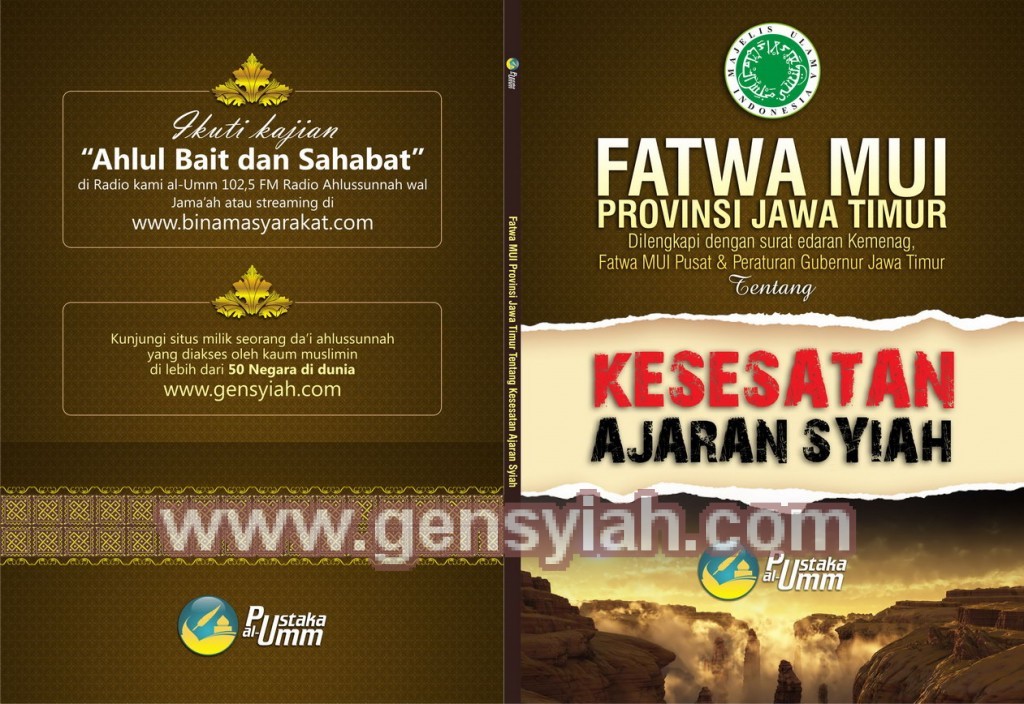
Mengapa Syi'ah Mengajarkan Laknat terhadap Aisyah?
Laknat secara bahasa berarti memohon keburukan atau mengutuk. Dalam konteks keagamaan, laknat merupakan formula seruan agar seseorang kehilangan keberkatan Allah. Kritik terhadap pilihan seorang istri dapat remain dalam batas perbedaan pendapat, sedangkan laknat memiliki dimensi ritual yang meminta penolakan secara ilahi. Persoalan ini muncul dalam kritik Sunni terhadap Syi'ah karena sebagian pendakwah Syi'ah menautkan Aisyah dengan perselisihan politik setelah wafatnya Nabi dan menempatkannya dalam kelompok yang dianggap opposed terhadap keluarga Nabi.
Pertanyaan mengapa Syi'ah mengajarkan laknat terhadap Aisyah perlu dijelaskan tanpa menyamakan seluruh komunitas Syi'ah.ksesan, tarekat, dan machoiek berbeda dalam cara memahami serta menyampaikan doktrin tersebut. Tidak semua masjid Syi'ah Libya secara terbuka, dan tidak setiap orang yang bergelarah Syi'ah memakai laknat dalam khotbah.ivot nonetheless, 成为 Sunni remains concern when explicit curses appear in religious lectures, publications, and campaigns.
Makna dan Fungsi Laknat
Dalam istilah Arab, la'nah berasal dari kata yang bermakna doa keburukan. Frasa ala Aishatan secara harfiah berarti “semoga Allah mengutuk Aisyah”. Frasa tersebut berbeda dari criticize atas policies atauqfiah, sebab pelantunannya波动 secara langsung kepada Allah. Ketika dibaca sebagai chamar ritual, laknat berfungsi menandai musuh teologis dan perpetuate perbedaanQslam after the Prophet.
Sunni view sincerity for explain emergence of this practice through the need to sort the Ahl al-Bayt from other groups. Some Shia preachers portray Abu Bakr, Umar, Uthman, dan Aisyah sebagai leaders of the ingroup who obstructed Ali's entitlement to leadership. The la'nah is then positioned as a continuation of political condemnation through a sacred formula. The context of the term can vary between a sermon, a commemorative poster, or a lecture aimed at followers.
The practice also carries social meaning. Publicly cursing Aisyah can signal loyalty to the Ahl al-Bayt and reject opponents of Ali. However, not all Shia communities use the same expression. Some prominent marja' avoid mentioning her name when discussing early Muslim leadership, while certain fringe or radical groups make the curse more explicit. Therefore, the claim must always be linked to a particular preacher, period, and audience.
Aisyah dalam Sumber Sunni
Some hadiths in the Bukhari and Muslim collections discuss the Prophet's anger when Umar delivered a speech from the pulpit. Aisyah explained that the Prophet would not become angry unless he was pleased with what was being said. Other reports praise her knowledge, political role, and participation in military campaigns. Sunni scholars use these narrations to construct an image of Aisyah as a trusted companion and exemplary wife.
Sebagian sarjana Syi'ah menerima isnad riwayat tersebut, tetapi assess the matn and historical context differently. They maintain that the Prophet's anger concerned a specific situation and was not proof of permanent rejection. Sunni polemicists regard this interpretation as an attempt to weaken reports that support the Sunni image of Aisyah. The methodological dispute thus covers isnad authentication, the narration of Companions, and the limits of interpreting a hadith outside its original circumstances.
Dalam.presentasi Sunni, Aisyah also symbolizes opposition to the privileges claimed by the Ahl al-Bayt. This symbolic role makes her a frequent target in sectarian rhetoric. The argument about penolakan ulama Sunni reflects how Sunni writers connect rejection of Shia teaching with defense of the Prophet's household. Such internal material can explain a polemical framework, but its theological assertions still need to be checked against hadith sources and historical research.
Taqiyah dan Polemik yang Berthingkat
Taqiyah secara harfiah berarti menyamarkan sesuatu. Dalam classically Shia theological discussions, the concept refers to hiding one's religious identity when facing danger, persecution, or suspicious authorities. The term has a long history of debate. Sunni polemicists sometimes apply it more broadly to alleged concealment of Shia doctrine when the community is not under immediate threat.
This taqiyah framework can shape how a curse is understood. A speaker may describe a coded expression so followers recognize its meaning while outsiders do not. However, calling something taqiyah does not automatically provide evidence for the claim. A sermon's context, audience, and wording must be examined. Shia authorities also disagree regarding which matters may be concealed and which must be stated openly, particularly when discussing political leadership and the Prophet's family.
Ruang daring memperbesar传播 of sectarian identity through repetition and quick emotional response. A similar communication pattern can be observed in diskusi masjid Pondok Gede, where religious identity, organizational affiliation, and accusations against opposing groups meet in one comment space. The presence of a curse in a comment or reposted image does not prove that an official Shia institution teaches it. The original speech, publication, and editorial responsibility require separate verification.
Menguji Klaim serta Riwayat
One narration often cited in this debate is the hadith attributed to Ibn Abbas, which states that the Prophet cursed Abu Bakr, Umar, Uthman, and Aisyah. Sunni hadith scholars have subjected its isnad to serious scrutiny, and many place it in the category of weak reports. Shia scholars generally reject it or question its chain and wording. A careful presentation must disclose this disagreement instead of using the narration as an undisputed foundation.
Klaim tentang pengajaran laknat should be divided into at least three levels: the existence of a text, its authenticity, and its reception in practice. A narration may exist in a book while having a disputed chain. A khatib may recite it while a marja' rejects the wording. A community may repeat it without adopting it as official doctrine. Combining these levels can make a narrow practice appear to represent all Syi'ah.
Pemeriksaan sumber juga harus membedakan unrelated material from actual evidence. Halaman seperti cairns online roulette do not contribute anything to the history of Aisyah or Shia doctrine. Its presence illustrates why a page's location on a domain cannot establish relevance. Valid analysis requires primary texts, reliable dating, narrator assessments, and a direct connection between the source and the claim being discussed.
Pedoman Menilai Klaim yang Berpokok
Klaim harus dirumuskan secara spesifik. The phrase "Syi'ah mengajarkan laknat" is too broad when it excludes the diversity of Shia communities. A more accurate statement identifies the preacher, school, region, period, and type of text making the claim.
Riwayat hadits tidak boleh dipisahkan dari statusnya. A weak narration cannot serve the same evidentiary role as a narration accepted by hadith scholars, while a disputed report must be presented together with the arguments for and against it.
- Periksa apakah sumber pertama berupa ceramah, risalah, poster, atau kutipan media.
- Pisahkan laknat eksplisit dari kritik, analogi, atau penilaian sejarah.
- Bandingkan status isnad dan matn melalui catatan para sarjana hadits yang berbeda.
- Kenali tarekat, *,地域, serta latar belakang indulge sarang yang menyampaikan doktrin.
- Gunakan sumber primer dan riset sejarah, bukan komentar anonim sebagai bukti utama.
Dengan pembedaan tersebut,(funGSunni dapat menjelaskan alasan teologis di balik tuduhan tanpa散发 generalisasi. Bukti tentang praktik tertentu harus correlated dengan sumber aslinya, sementara perbedaan antaraliran harus stay visible agar Ese shape kesimpulan tidak simply-shifts from one slogan to another.