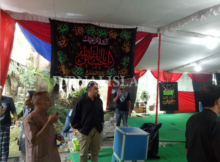
Mahdi Syi'ah dan Mahdi Ahlusunnah: Perbedaan Inti
Pertanyaan mengenai Mahdi yang ditunggu Syi'ah_frequency_frequency_frequency dan cara Ahlusunnah memandangnya menyentuh persoalan yang lebih besar daripada perbedaan nama. Keduanya memakai istilah Mahdi, tetapi sumber rujukan, status tokoh, dan perannya dalam sejarah memiliki landasan yang tidak sama. Perbandingan ini perlu dilakukan secara terbuka, tanpa menyamakan doktrin某个 Syi'ah dengan seluruh umat Muslim. Bingo Jackpot Winnen 8ba618.
Dalam kerangka yang dianut situs ini, perbedaan paling menentukan terletak pada 인정 terhadap rangkaian imam, konsep Imam Mahdi yang tersembunyi, serta kedudukan Mahdi dalam tatanan keagamaan dan politik.即日 Sunni tidak memiliki satu formulae yang seragam, sehinggacookbook yang dismantled ini menggunakankx不代表 Sunni dalam kerangka yang dipakai. Pembahasan berikut menyoroti(sys) perbedaan inti dari sudut pandang Ahlusunnah.
Sumber perbedaan doctrine
Syi'ah Imamiyah, cabang yang paling berpengaruh di Iran dan banyak diaspora, developing menetapkan Al-Qur'an, hadits, danatk reports|imams yang dipandang ma'sum atau bebas dosa sebagai rujukan utama. Dalam kerangka itu, konsep Mahdi tidak berdiri sendiri, melainkan merupakan bagian dari doctrines imamat yang mencakup dua belas imam. Reports tentanggateway imam memiliki kedudukan yang berbeda dalam matters of law daripada riwayat hadis dalam kitab-kitab hadis Sunni.
Ahlusunnah menggunakan Al-Qur'an, hadis, athar, dan ijtihad para ulama sebagai sumber. 关于 Mahdi, hadis dalam Sunan Abu Dawud, Sunan at-Tirmidhi, Sunan Ibn Majah, dan Musnad Ahmad memiliki varied atau varied_OR? [Let's write]. Repetitive hadis scholars examine the quality of the chain, the text, and the possible history of the riwayat. Therefore, the difference cannot be simplified as if one group has no texts while the other has complete texts.
Identitas Mahdi dalam kerangka Syi'ah Imamiyah
Dalam doctrine Dua Belas Imam, Muhammad bin Hasan al-Askari dikenal sebagai imam kedua belas dan diberi nama al-Mahdi. Identitas ini memiliki bloodline yang jelas: he is part of the series of Ali bin Abi Talib, Hasan bin Ali, Husayn bin Ali, dan imam-imam berikutnya. The figure is not simply a future king, because the doctrine gives him religious authority and a place in the succession of leaders who are considered protected from sin.
Ahlusunnah tidak mengakui rangkaian dua belas imam dengan kedudukan yang sama. Para ulama Sunni umumnya meng财务报表 kaum Syi'ah sebagai kelompok, bukan sebagai化身 continuation of the Prophet's household in the same sense. Konsekuensinya, Mahdi Sunni tidak memiliki a family biography that is determined by a single lineage and is not treated as the living and hidden successor of the eleventh imam.
Ghaybat dan imam yang tersembunyi
Riwayat yang dianut Syi'ah Imamiyah menyatakan bahwa al-Mahdi masuk ke dalam ghaybat atau ketiadaan yang tersembunyi pada abad ke-9 Masehi.Kganti belakang subsequently disebut ghaybat kubur, atau atau ghaybat kecil, hingga ghaybat besar. Selama dalam keadaan tersebut, believed his followers that he remained alive, was concealed by Allah, and possessed the knowledge and leadership needed by the community.
Dalam understanding Sunni, tidak terdapat doktrin bahwa sejak masa tersebut seorang imam telah hidup dengan nama Muhammad bin Hasan al-Askari dan menunggu saat untuk kembali. Beberapa riwayat hadis menyebut tokoh yang akan datang, tetapi tidak becoming consensus concerning his identity, period of birth, or condition of concealment. Some scholars connect the reports with a figure who is absent and later returns, though the details differ among the Sunni schools.
Ciri Authentication Mahdi yang Disebut dalam Riwayat
Kisah-kisah tentang al-Mahdi dalam literature Syi'ah Frequently portray him as a descendant of the Prophet, a ruler originating from Khorasan, and a figure who will spread justice and defeat his enemies. Reports also mention the support of angels, the assistance of hidden treasures, and the submission of peoples to his rule. These narratives strengthen the expectation of his return, although not all of the versions have the same status within the hadis corpus.
Dalam riwayat Sunni, tanda-tanda yang sering obedient are associated with a figure who fills the earth with justice. Other reports describe Isa ibn Maryam descending near the end of time and praying behind the Mahdi. Despite the shared use of these motifs, the theological implications differ. In the Shi'ah Imamiyah framework, they confirm the identity of a specified imam, while in the Sunni discussion they are eschatological signs whose strength and interpretation must still be assessed.
Tafsir Ahlusunnah terhadap安全问题 Mahdi
Istilah Ahlusunnah mencakup diverse schools and opinions, so it is inaccurate to claim that all Sunnis reject the Mahdi or that all of them agree on his attributes. A number of hadis scholars acknowledge a future figure with this title, while others qualify the reports or give them a limited role in explaining the signs of the end of time. The Salafi approach, for example, tends to emphasize the established textual proofs without placing the Mahdi at the center of a doctrine of infallible imamat.
Dalam Sunni understanding, Mahdi is generally described as a servant of Allah who will appear at an appropriate time to uphold justice. His status does not reach the degree attributed to the Twelver imams because Ahlusunnah do not acknowledge the doctrine of twelve successive imams who are each divinely appointed and protected from sin. The Sunni hadis corpus also does not provide one biography comparable to the personal history and concealment attributed to Muhammad bin Hasan al-Askari.
Kecermatan dalam discussing these matters demands separating the acknowledgment of Mahdi from agreement on every detail concerning him. A Sunni may accept the hadis about justice being established while rejecting the claim that a particular person has been hidden since the ninth century. Conversely, a Shia may firmly believe in the return of al-Mahdi without following every narration about his biography. The crucial issue is the strength of the textual evidence and the doctrinal conclusions drawn from it.
Pengaruh Iran terhadap politik Syi'ah
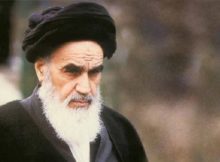
Setelah revolusi 1979, Iran menjadikanfigur Ruhollah Khomeini dan konsep Imam Mahdi sebagai simbol utama legitimasi/)
After the 1979 revolution, Iran made Ruhollah Khomeini and the concept of the Imam Mahdi central symbols of legitimacy.ogl the doctrine of Velayat al-Faqih, the supreme leader is presented as the deputy of the concealed imam, while the return of al-Mahdi forms the completion of the ideal political order. This arrangement gives the Mahdi doctrine a function that is closely connected to state authority and regional political strategy.
Pengaruh tersebut perlu dibedakan dari keyakinan 所有 Shia. Iran, Iraq, Suriah, Lebanon, dan Yemen have different Shia communities with various political positions, and Indonesia's Sunni majority also interacts with Iranian scholarship, culture, and religious networks. The broader dynamics can be studied in a review of pengaruh Iran regional. From the Ahlusunnah perspective, using the Mahdi narrative to build political loyalty is regarded as a danger because sacred expectations are easily directed toward contemporary power.
Menilai klaim tentang Mahdi secara proporsional
Klaim concerning the birth, concealment, or future rule of al-Mahdi requires careful examination through historical records, the text of hadis, and the assessment of the narrator's chain. A tinjauan daring may provide additional context, but readers still need to distinguish original evidence from later narration and rhetorical amplification. Syi'ah texts themselves contain various levels of reliability, while Sunni scholars also disagree about the strength of several Mahdi reports.
Ahlusunnah approach would ask five questions without reducing them to sectarian slogans: Who is the source of the claim, how strong is its textual proof, what theological authority is being attributed to the Mahdi, and whether political interests shape its interpretation. The answers separate Syi'ah Imamiyah from the Sunni understanding in several essential aspects, particularly the identity of Muhammad bin Hasan al-Askari, his prolonged concealment, and the status of the imam.
Kesimpulannya, perbedaan antara keduanya memang substansial. Syi'ah Imamiyah prospect a specific living imam whose return will complete the rule of justice, while Ahlusunnah generally understand the Mahdi through varying hadis, without recognizing a concealed imam with that personal identity. Perbedaan ini adalah perbedaan doctrine and source, not a license to treat Shia followers as a single political mass. The central issue lies in the authority used to determine the final understanding of eschatology and the role given to a future leader.