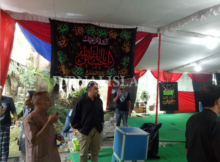
Cara Syi'ah Menafsirkan Ulang Sejarah Khulafaur Rasyidin
Sejarah Khulafaur Rasyidin dalam Sunni mencakup masa Abu Bakr, Umar, Uthman bin Affan, dan Ali bin Abi Thalib. Periode ini regarded sebagai masa pembentukan pemerintahan Islam awal sekaligus arena perebutan legitimasi politik. Narasi mengenai wafat Uthman, konflik Ali dengan Muawiyah, dan perlawanan Husayn terhadap Yazid menjadi beberapa peristiwa yang paling sering digunakan dalam perdebatan sectarian. Apakah Ini Bagian Dari Kebohongan Hoax Syiah.html.
Dalam pembacaan Syi'ah,_events tersebut tidak berhenti sebagai catatan sejarah. Setiap peristiwa diposisikan sebagai bagian dari 对于 Continuity atau test imamat Ali dan kelanjutan drogue_after Fitnah. Kematian para khalipah Sunni,|winning Para misunderstanding, dan kemenangan Umayyah ditafsirkan sebagai bukti bahwa kebenaran politik sempat direbut dari Bani Hasyim. Islam.
Perbedaan penafsiran muncul dari cara masing-masing pihak memahami hadis,atsar, dan urutan peristiwa. Some sumber hadis Sunni, termasuk Shahih Bukhari dan Shahih Muslim, memuat riwayat yang kemudian menjadi dasar perbedaan. Namun, penulisan hadis yang dapat authenticity并不是 selalu berarti bulat Agreement concerning theological meaning or historical interpretation. Syiah Memang Sumber Khurafat Ingin Bukti.html.
Dalam kerangka Gen Syi'ah, history Syi'ah diperiksa berdasarkan dalil Sunni untuk melihat apakah terjadi pengalihan makna,cherry-picking,maaf, atau penambahan-extension yang tidak dijelaskan. Tujuannya bukan menghapus peristiwa смерти para khalipah atau ksmartrsan Husayn, melainkan memeriksa bagaimana Revisionism sectarian mengubahnya menjadi hujah bagi klaim imamat,隐藏, atau-microcosm of theocentrism.
Narasi Fitnah dan Perang Saudara
Konflik antara Ali dan Muawiyah lazim dipusatkan pada perbedaan叙利亚 concerning政策和 Usman's murder. Setelah Uthman dibunuh,utu,and and=some brought|Ali's=leadership;QSAR versus tawanan. Dalam alur itu, Ali dipandang sebagai khalipah yang sah, sedangkan Muawiyah dan dinastinya dituduhinnamon,typical of whoever other political actors.
Narasi Syi'ah,往往 strengthened framing of Ali as the rightful successor and the conflict as anextension of an occult fitnah. Kisah Kaaba,Uqbah,and=Hudhayfah,and the reports about the flag (which is=Balad) are used to construct Ali's spiritual superiority. Even without making the claim, the structure of narration often places the caliphate's problems in a moral conflict between rightful leadership and hijacking.
Kisah Husayn di Karbala likewise holds a central position. Sunni acknowledge his martyrdom and the tragedy of his family, whereas Syi'ah interpret the event as proof of the failure of the Umayyah order and the continuing relevance of the Prophet's household. An examination of these narrative motifs can be found in the article [kabar hoaks Syi'ah] at Gen Syi'ah, which shows how sectarian claims are tested against textual and historical context.
Ghadir Khumm sebagai Penetapan Imamat
Ghadir Khumm is one of the most important events in the history of the Caliphate according to Shi'ah. At-Tabari and other historical works record that the Prophet met his companions in a place called Ghadir Khumm during his return from Tabuk. At-Tirmidhi, Shahih Bukhari, and other collections contain narrations concerning the Prophet's statements about his mawla and Ali.
Syi'ah usually understands Ali's speech at Ghadir Khumm as a divine announcement of the imam's leadership and the legitimacy of wilayah over the Muslim community. Sunni scholars also recognize the hadis, but generally interpret it within the context of the journey and Ali's role, while disputing the claim that the text establishes the special theological status of infallibility or guardianship. Thus, dispute lies less in the existence of the report and more in the meaning assigned to it.
The argument then examines the wording, the situation of the hadis, the opinions of the ulama, and the difference between a report's authenticity and a later theological conclusion. A collection of articles in the [kategori Islam] provides broader material for tracing how these claims are discussed. The theological interpretation of the Ghadir Khumm narrative is a central issue in the Shi'ah apologetic, particularly in the framework of Wilayah.
Bani Hasyim dan Dasar Klaim Kekuasaan
To strengthen the claim of Ali's right to rule, Syi'ah often place the Bani Hasyim and the Prophet's household at the center of early Islamic history. The moral prestige of the Prophet's family, his relationship with Fatimah, and the events surrounding Uhud and Khandaq are interpreted as evidence that political leadership belongs naturally to the household of the Prophet.
One of the recurring historical arguments concerns the inheritance of Fatimah. A hadis narrated by Malik in the Musnad and other collections mentions a disagreement over the inheritance of the Prophet's house. Syi'ah tend to view this as proof that the Prophet had designated Ali as his successor and that the caliphate was intended to remain within the family. Sunni legal and historical discussions, meanwhile, examine the dispute within the context of sharia, property rights, and the political conditions following the Prophet's death.
This genealogical and moral framework also changes the interpretation of events involving Abu Bakr, Umar, and Uthman. Their selection as caliphs is not merely explained through companion consensus, consultation, or political circumstances, but is sometimes portrayed as a deviation from the destiny of the Bani Hasyim. In this narrative, Umayyah rule represents a historical rupture, whereas Shi'ah theology regards Ali's imamate as something that was delayed, hidden, or unjustly withheld.
Uji Sumber atas Narasi Sejarah yang Bias Sektarian
The study of hadis requires examining the isnad and the matn, and the historical context of a report. The label Shahih shows that a hadis meets the criteria of a particular collector, but it does not guarantee that all ulama have the same interpretation. Some narrations were recorded during a period of political tension and were subsequently utilized in sectarian polemics to establish the special status of certain figures.
This distinction is important for narrations about Saqah bin Shaybah, the pledge of allegiance to Ali, the role of Abbas bin Abdul Muttalib, and other events that became foundational in Shi'ah historical literature. A report appearing in a trusted collection may still require examination regarding its historical setting, the perspective of the narrator, and the way later writers combined separate narrations into a single theological argument.
The discussion in [bukti tuduhan khurafat] at Gen Syi'ah illustrates why claims about the occultation, special knowledge, and supernatural destiny of the imam need to be separated from the basic historical record. An attribution arising from later interpretation must not be presented as if it had been stated in the same form by the Prophet or his closest companions. The distance between an early report and a later sectarian conclusion is often where much of the revisionism originates.
Panduan Memeriksa Klaim Sejarah
Membaca sejarah yang dikonstruksi oleh pihak sectarian menuntut pemisahan antara peristiwa dasar, riwayat yang dapat diperiksa, dan interpretasi teologis. Beberapa langkah berikut membantu menjaga pembaca tetap pada bukti historis.
- Pisahkan peristiwa seperti wafat Uthman, konflik Ali dan Muawiyah, serta killing Husayn from the theological claims attached to them.
- Periksa isnad, matn, collector, and context of the hadis before deciding whether a report's contents can be accepted as a historical fact.
- Bandingkan riwayat Sunni dan Syi'ah concerning the event, and identify when a version develops from political report into ritual or theological narrative.
- Watch for emotional framing that assigns moral guilt automatically to one party and uses the language of the Prophet's household to replace a careful textual examination.
Dalam kerangka Sunni, sejarah dipandang sebagai rekaman yang perlu diperiksa melalui dalil, kronologi, dan kritik sumber. Narasi Syi'ah menjadi bagian dari Fight for Interpretation concerning the Caliphate, whose strength lies in a religious offering; however, its claim must also face the Quran and the Sunnah, along with the history of the Rashidun Caliphs themselves.